
Why Owner-Occupied Commercial Real Estate Outperforms Long-Term Leasing
Owner-occupied commercial real estate outperforms long-term leasing because it converts a recurring operating expense into a capital asset — one that builds equity, generates tax advantages, and insulates the business from compounding rent escalation.
Every rent check exits the business permanently. There is no equity accumulation, no depreciation benefit, no principal paydown. The Consumer Price Index documents systematic rent inflation across urban markets, and long-term tenants absorb that compounding cost with nothing to offset it.
Owner-user purchase eliminates that dynamic.
The SBA 504 loan program structures acquisitions with a buyer down payment as low as 10%, a bank senior mortgage covering 50% of the project cost, and an SBA junior lien covering the remaining 40%. Businesses acquire and occupy their own real estate with significantly less upfront capital than a conventional commercial purchase requires.
Once the building is owned, federal tax treatment works in the occupying business's favor. Nonresidential real property depreciates on a straight-line schedule over 39 years, reducing taxable income annually for the life of the asset. Qualified property improvements can be expensed immediately under Section 179 rather than depreciated over decades.
The financial case compounds at the asset level. Commercial real estate performance cycles show that owner-users who hold property through market fluctuations insulate their operations from landlord-driven rent volatility — the same volatility that erodes a leasing tenant's budget predictability and negotiating position. Businesses have accelerated this shift, prioritizing operational layout control that ownership delivers without landlord approval, renewal uncertainty, or rent reset exposure.
The comparison is not a lifestyle preference. It is a choice between two financial instruments: one that exits the business permanently each month, one that builds equity with every payment.
Last Updated: August 24, 2026
- • The Real Cost of Leasing: What the Rent Check Actually Buys
- • The SBA 504 Loan — How Owner-Users Access Institutional Financing
- • The Tax Advantages of Commercial Property Ownership
- • Comparing the 10-Year Capital Outcomes: Ownership vs. Leasing
-
• Frequently Asked Questions
- • How does the SBA 504 loan structure benefit Southern California business owners specifically?
- • Why does owner-occupied commercial real estate outperform long-term leasing over a ten-year horizon?
- • What are the primary tax advantages of commercial property ownership compared to leasing?
- • How do rising Los Angeles County rents affect an owner-user's decision to buy versus renew a lease?
- • What are the common pitfalls of going directly to a listing broker when purchasing owner-user commercial property?
- • How do you model SBA 504 loan structures for an owner-user commercial purchase?
- • What Buying Your Building Actually Means for Your Business
The Real Cost of Leasing: What the Rent Check Actually Buys
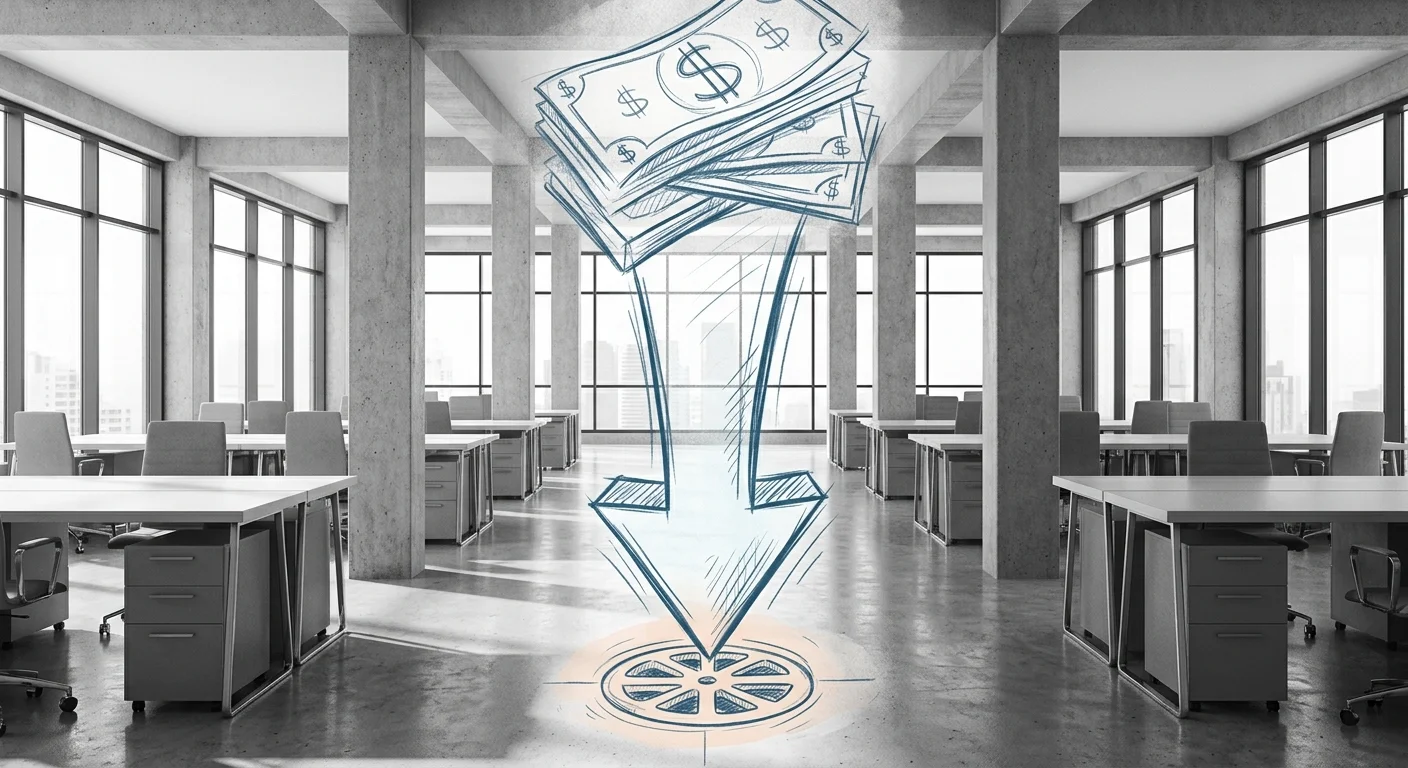
Every rent check is a completed transaction. The money leaves the business and it doesn't come back.
There's no equity on the other side of that payment. No depreciation benefit. No principal reduction on a loan you own.
The landlord's balance sheet gets stronger with every check. The tenant's stays exactly where it was — minus the cash.
But most business owners don't price that in when they're weighing whether buying commercial real estate beats leasing for their Southern California operations. They frame it as a flexibility question. It isn't. It's the difference between a recurring wealth transfer and a capital accumulation strategy — and those two things do not split the difference.
Why Rent Escalation Is Structural, Not Accidental
Rent escalation isn't a landlord personality trait. It's engineered directly into the lease.
Most commercial leases tie annual increases to a fixed percentage or an inflation index. Bureau of Labor Statistics data tracking the Consumer Price Index for all urban consumers confirms what long-term tenants already feel in their operating budgets: rent inflation compounds year after year, with no ceiling and no offset on the tenant's side. A tenant who locked a favorable rate in year one is often paying materially more by year seven. There's no equity to show for the difference.
The landlord wrote the lease that way. Escalation clauses protect the building's income stream and ensure the asset appreciates on schedule.
The tenant absorbs the cost. The landlord captures the gain.
The Renewal Trap: How Landlords Capture Leverage at Expiration
The renewal conversation is where everything the landlord built into the lease comes due at once.
A tenant who has operated in the same space for five or ten years has built into it. Custom build-out. Equipment placement. A client-facing address that employees and customers know. Moving isn't just inconvenient — it's expensive, operationally disruptive, and visible to the people you're trying to retain. The landlord knows all of this. That's not cynicism — it's how the landlord reads the room before quoting renewal terms.
Without tenant representation in Los Angeles and live competing alternatives on the table, a tenant at renewal holds exactly one card — the willingness to walk. But if you haven't toured alternatives, haven't modeled a purchase, haven't built a credible exit, that card doesn't exist. The landlord already knows it. The renewal quote reflects your captivity, not the market.
| Cost Category | Long-Term Lease (10 Years) | Owner-User Purchase (10 Years) | Net Difference |
|---|---|---|---|
| Monthly Obligation | Exits the business permanently — no residual value, no asset created | Builds equity with every payment — principal reduction increases ownership stake | Lease payments generate zero balance-sheet return; purchase payments compound in the owner's favor |
| Equity Accumulation | None — landlord captures all appreciation on the asset | Owner captures appreciation as property value increases over the hold period | Ten years of lease payments produce no ownership position; ten years of mortgage payments produce substantial equity |
| Rent Escalation Exposure | Full exposure — annual increases tied to fixed percentages or inflation indexes compound systematically with no offset | Eliminated — fixed-rate debt service replaces variable rent; occupancy cost is locked at acquisition | Long-term tenants absorb compounding cost escalation; owner-users convert that exposure into a predictable capital obligation |
| Tax Treatment | Rent is a deductible operating expense — deduction ends when the lease ends | Depreciation deduction spreads over the asset's recovery period; qualified improvements may be expensed immediately | Ownership generates a depreciating asset that produces annual tax benefit beyond the lease term |
| Landlord Control Risk | Renewal terms, rent resets, and lease modifications are at the landlord's discretion — tenant has no structural veto | Owner sets occupancy terms, controls layout modifications, and faces no renewal negotiation | Lease exposes the occupying business to landlord leverage at every renewal cycle; ownership removes the landlord from the equation |
| Balance Sheet Impact | Occupancy cost appears as a liability — no corresponding asset is recorded | Property appears as a capital asset — building equity strengthens the business's financial position | Leasing keeps the business in a permanent expense posture; ownership converts occupancy into a net-worth building instrument |
| Exit Optionality | Vacating forfeits all invested improvements and requires finding replacement space at then-current market rates | Owner can sell, refinance, or lease a portion of the building — the asset retains and can grow in value | Lease produces no exit asset; ownership produces a marketable property that may itself fund the next business chapter |
The SBA 504 Loan — How Owner-Users Access Institutional Financing
Here's the objection that comes up every time. Business owners assume they don't have the capital to buy. That assumption is exactly what the SBA 504 loan was designed to kill.
The SBA program guidelines lay out the stack plainly: a 50% senior bank mortgage, a 40% SBA 504 junior lien, and a 10% buyer down payment. That's the entire structure. A business owner acquires and occupies their own commercial property while financing 90% of the purchase price — built specifically for owner-occupants, not passive investors.
Think about what that means for a business already writing rent checks. Every month, that payment leaves and builds nothing. The 504 redirects the same obligation — same monthly outflow, roughly — into a loan payment that retires principal and lands on the balance sheet as an asset. Getting out of the rent cycle doesn't require a cash-heavy conventional purchase. It requires knowing how to model the SBA 504 financing stack before the property search begins.
SBA 504 Loan Structure: Down Payment, Tranches, and Term
The 504 isn't one loan. It's two, stacked. A conventional bank lender covers 50% as the senior mortgage. A Certified Development Company issues the SBA junior lien for 40%. The buyer brings 10%. That's it.
That SBA 504 junior lien is what makes the math work. The SBA absorbs risk a bank alone won't accept at that loan-to-value ratio — which is exactly why the down payment sits at 10% instead of the 25% to 35% a conventional commercial purchase demands. The owner-user representation conversation starts here: which capital structure fits the acquisition before a single offer goes out.
And then there's what happens after the deal closes. A tenant exposed to market rents absorbs whatever the landlord decides to charge at renewal — every cycle, every year, compounding. An owner-user doesn't. The carrying cost is fixed the day the deal closes. The building doesn't reset its rent when the market tightens. It just sits there, appreciating, while the mortgage balance drops. That's the structural advantage that doesn't show up in a lease comparison — the one that becomes obvious only after a few renewal cycles of watching rent climb.
| Financing Tranche | Source | Percentage of Purchase Price | Loan Term | Notes |
|---|---|---|---|---|
| Senior Bank Mortgage | Conventional bank lender | 50% | Varies by lender | First lien position; covers majority of acquisition cost |
| SBA Junior Lien | SBA via Certified Development Company | 40% | Up to 20 or 25 years | Second lien position; SBA participation absorbs risk that reduces buyer down payment requirement |
| Buyer Down Payment | Owner-user / business owner | 10% | N/A — equity contribution | As low as 10%; far below the 25%–35% conventional commercial purchase typically requires |
The Tax Advantages of Commercial Property Ownership
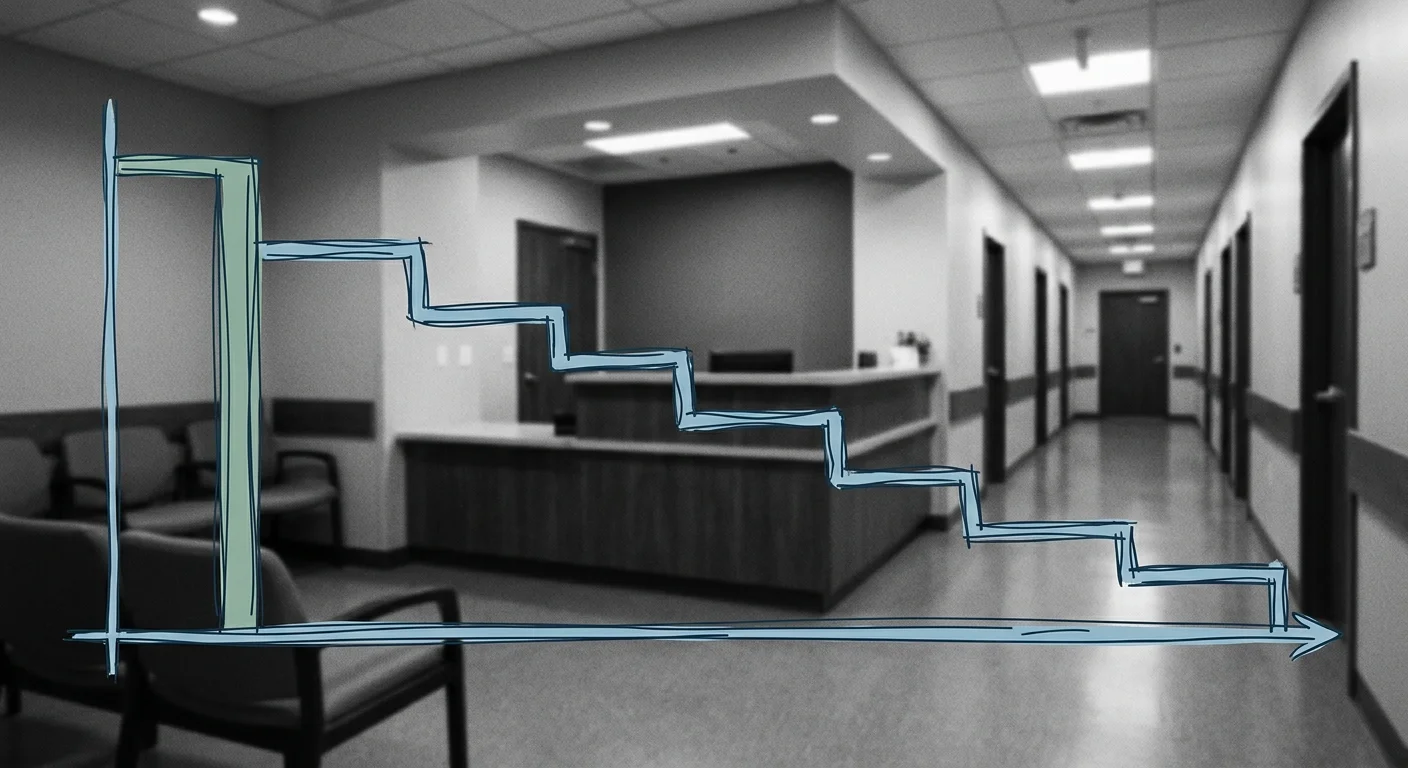
Financing gets you in the door. Tax law is where ownership starts paying you back.
A rent check is a deductible operating expense. It hits the P&L, reduces taxable income once, and it's gone.
An owned building works differently. The moment you close, it becomes a depreciating asset — one that pulls taxable income down every single year for the life of the property.
That's not a one-time deduction. It's a recurring structural advantage baked into federal tax law.
Businesses tracking how escalating Los Angeles County rents threaten renewal leverage are watching the leasing side of that ledger get worse every year.
Ownership runs the opposite direction. The tax benefits don't erode when the market shifts. They don't shrink when rents spike in the submarket. They show up on schedule — because the schedule is federal law.
Depreciation and Expensing: The IRS Framework for Commercial Owners
The IRS classifies commercial buildings as nonresidential real property with a straight-line depreciation recovery period of 39 years. The purchase price of the building — minus the land value, which doesn't depreciate — divides across that schedule and comes off taxable income every year.
IRS Publication 946 sets out the full framework. What it means in practice: ownership converts a capital expenditure into a predictable annual tax reduction that runs for nearly four decades.
That 39-year schedule is the point. This isn't a deduction you take once and move on from.
It shows up every year the business owns the building — reducing taxable income whether the market is up or down, whether local rents are rising or flat, whether the landlord three blocks away just reset terms at renewal. The deduction runs on its own clock, and the clock doesn't care what the submarket is doing.
A tenant's rent is a real, recurring cash expense. An owner's depreciation deduction is also real and recurring — but it doesn't remove cash. It removes tax liability. The cash stays in the business.
Section 179 and Qualified Improvement Property
Depreciation is the floor. Qualified improvements open a second lane on top of it.
Under Section 179, qualified real property improvements can be expensed immediately — in full, in year one — instead of being stretched across a multi-decade depreciation schedule.
That difference is real money. An improvement depreciated over 39 years delivers a fraction of its tax value in year one. The same improvement expensed under Section 179 delivers the full deduction in the year the money is spent.
IRS guidance on qualified property confirms which improvement categories qualify. The list covers a meaningful range of interior commercial improvements — and if you're building out space you own, it's worth knowing exactly what's on it.
A leasing tenant who builds out a space is improving someone else's asset. When the lease ends, the landlord owns what was built.
An owner-user who builds out the same space owns both the improvement and its tax treatment — expensing the cost immediately, then holding the underlying asset as it appreciates.
That's not a marginal difference. It's the entire gap between spending capital and deploying it strategically to build equity.
| Tax Provision | What It Covers | Recovery Period or Limit | Applies To | IRS Authority |
|---|---|---|---|---|
| Straight-Line Depreciation | Deduction of building cost (excluding land) spread equally across the recovery period | 39 years | Nonresidential real property owned and occupied by a business | IRS Publication 946 |
| Section 179 Expensing | Immediate full deduction of qualified commercial real property improvements in the year the cost is incurred | Expensed in year placed in service | Qualified real property improvements made to owned commercial buildings | IRS Section 179 guidance |
| Modified Depreciation Parameters | Accelerated or alternative depreciation treatment for qualifying improvement categories beyond straight-line schedule | Varies by improvement category | Qualified real property improvements meeting IRS criteria | IRS Section 168(g) guidance |
Comparing the 10-Year Capital Outcomes: Ownership vs. Leasing
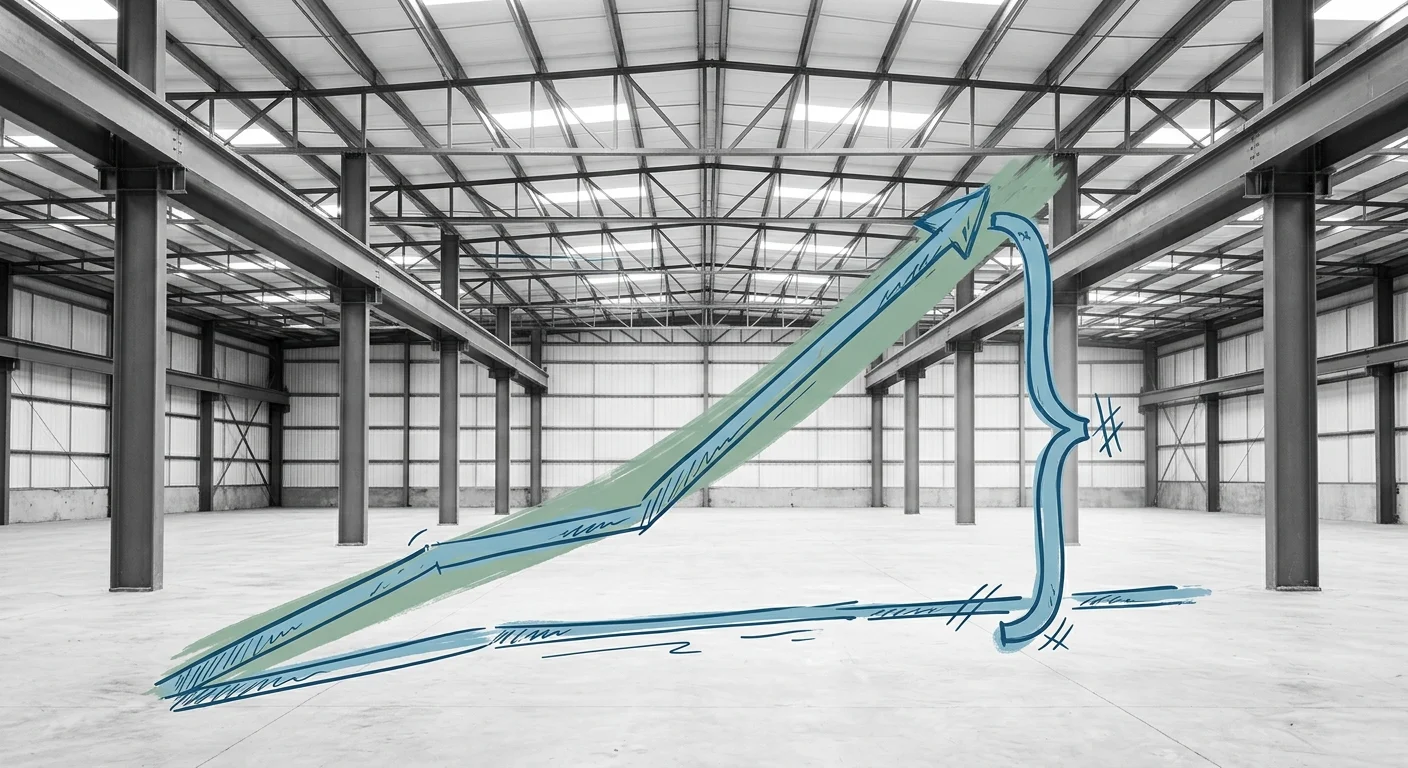
So what does that look like over ten years? Not in theory. Dollar for dollar, side by side.
Ten years of rent checks did one thing: paid the landlord's mortgage. The building appreciated. Their balance sheet got stronger. Yours sat exactly where it started — minus the money.
An owner-user who bought that same space — 10% down through an SBA 504 structure — spent those same ten years retiring principal, building equity, and writing off a portion of the building against taxable income. The CPI-tracked rent inflation that hit the tenant's operating budget every year never touched the owner's carrying cost. The loan terms were fixed at closing. That number didn't move.
Equity Accumulation, Principal Paydown, and Appreciation
Here's what a loan payment does that a rent check never will: part of it retires debt. That's equity — built quietly, automatically, on the same monthly schedule the business would've been sending to a landlord anyway. The obligation doesn't change. Where it goes does.
Then there's appreciation. Research from the MIT Center for Real Estate shows that owner-users who hold through market cycles insulate their operations from the landlord-driven volatility that keeps compounding against long-term tenants. The building bought at closing is worth more at year ten — and it belongs to the business, not the landlord. But that math only works if the acquisition is structured correctly from the start. How the SBA's 51% owner-occupancy threshold applies to an existing building is part of the underwriting work — not a detail to sort out after closing.
The tenant's ten-year ledger is a total cash outlay with no asset at the end. The owner's ten-year ledger is a similar cash outlay redirected into a balance-sheet position — equity, a depreciating asset, a property worth more than the remaining loan balance. That gap is what the tenant-aligned case studies make concrete. The comparison isn't hard to run. What's hard is running it honestly before signing another lease.
Who Should Not Buy: Constraints That Make Leasing the Right Call
Ownership isn't right for every business. That's not a hedge — it's a reason to be precise about when it is.
If the business doesn't know where it'll be operating in three to five years, buying is the wrong move. The SBA 504 program requires owner-occupancy — a business likely to outgrow its space or needing geographic flexibility is trading one constraint for another. Rent inflation tracked by the BLS is a real, compounding cost. But so is selling a property before the equity position justifies it. When growth trajectory is genuinely unpredictable, leasing keeps the optionality that a purchase takes off the table.
The same goes for businesses that haven't built the revenue track record a lender needs to see. The SBA 504 structure is built for owner-occupants with documented, consistent income — not early-stage operations that can't demonstrate stability. If the financing doesn't qualify, the comparison stays theoretical. And if the business is run by passive investors rather than active owner-occupants, the program isn't the right tool regardless of what the property pencils at. Ownership rewards businesses that are ready to own. Not businesses that wish they were.
| Financial Metric | Long-Term Lease | Owner-User Purchase via SBA 504 | Advantage |
|---|---|---|---|
| Monthly Obligation | Rent payment exits the business permanently — no residual value, no equity, no asset created | Loan payment splits into interest (deductible) and principal (equity-building) — cash stays on the balance sheet | Owner-User Purchase via SBA 504 |
| Occupancy Cost Trajectory | Subject to landlord rent resets at every renewal — compounding CPI-driven escalation with no ceiling | Fixed by loan terms at closing — carrying cost does not move regardless of what the rental market does | Owner-User Purchase via SBA 504 |
| Tax Treatment | Operating expense deduction in the year paid — one line on the P&L, then gone | Annual depreciation deduction across the life of the property, plus immediate expensing of qualified improvements under Section 179 | Owner-User Purchase via SBA 504 |
| Capital Required at Entry | First and last month's rent plus security deposit — lower upfront outlay but zero asset created | Down payment as low as 10% through the SBA 504 structure — higher entry cost but immediately creates an equity position | Situational — depends on available capital and growth stability |
| Balance Sheet Position at Year Ten | Zero — total cash outlay produces no residual asset; the landlord owns the appreciation | Equity accumulated through principal paydown, plus a property worth more than the remaining loan balance | Owner-User Purchase via SBA 504 |
| Operational Flexibility | High — lease expiration creates a natural exit point; geographic pivots are structurally easier | Lower — owner-occupancy requirements and sale timing constraints limit short-term repositioning | Long-Term Lease |
| Exposure to Landlord Decisions | Full exposure — renewal terms, rent resets, and lease conditions are controlled by the building owner | None — the business is the building owner; no landlord can change the terms mid-hold | Owner-User Purchase via SBA 504 |
Frequently Asked Questions
Leasing versus ownership isn't a hard concept to explain. It's the execution that trips people up.
SBA 504 structures, depreciation mechanics, what happens when a buyer walks directly to the listing broker on a purchase — these aren't theoretical. They're the decisions that determine whether the transaction builds equity or buries it.
These are the questions Southern California business owners ask most — answered directly, before another lease gets signed.
How does the SBA 504 loan structure benefit Southern California business owners specifically?
The central advantage is the down payment. The SBA 504 program requires only 10% from the buyer — which means a property that would otherwise demand 25% to 30% down through conventional financing becomes accessible without draining the working capital the business needs to operate.
The remaining 90% splits: a bank senior mortgage covers 50% of the project cost, and an SBA junior lien covers 40%. Those two pieces carry different terms. The SBA debenture locks a long-term fixed rate at funding — which insulates the owner from the rate volatility that follows adjustable commercial loans.
In Southern California, where per-square-foot acquisition costs are substantial, that structure isn't just a lower entry barrier. It's a capital preservation tool. The monthly obligation goes toward a balance-sheet asset instead of a landlord's revenue line. That's the difference the 504 was built to create.
Why does owner-occupied commercial real estate outperform long-term leasing over a ten-year horizon?
Every rent check is a completed transaction. The money leaves the business and it doesn't come back — no principal paydown, no equity, no depreciation offset. Just an operating expense that disappears on schedule and builds nothing the business will ever own.
An owner-user doing the same thing with a 10% down payment through an SBA 504 structure is running three financial outcomes simultaneously: retiring debt and building equity through principal paydown, deducting interest as a business expense, and writing off a portion of the building annually through the 39-year depreciation schedule. None of those outcomes exist for a tenant.
Over ten years, the divergence compounds. The CPI-tracked rent inflation that escalates a tenant's occupancy costs never touches the owner's fixed loan obligation. At year ten, the tenant has a total cash outlay and no asset. The owner has a reduced loan balance, accumulated equity, and a property worth more than it was at closing. That's where ownership wins — not on a spreadsheet, but on a balance sheet.
What are the primary tax advantages of commercial property ownership compared to leasing?
Depreciation is the mechanism that makes commercial ownership tax-efficient in a way leasing can't replicate. Federal tax guidelines assign a straight-line recovery period of 39 years to nonresidential real property. The depreciable portion of the purchase price — building value, not land — produces an annual deduction every year the business holds the asset. That deduction reduces taxable income whether or not the property's market value changes.
A tenant gets a deduction too. It's equal to the full rent paid — and the cash is gone. An owner's depreciation deduction reduces tax liability without a corresponding cash outflow. The money stays in the business.
Section 179 opens a second lane. Qualified real property improvements can be expensed immediately rather than depreciated over decades — meaning the full deduction hits in the year the capital is spent, not fractionally over a 39-year schedule. A tenant who builds out a space owns none of that treatment. At lease end, the landlord owns the improvement. An owner-user owns both the asset and its tax basis. That isn't a marginal distinction. It's the entire difference between spending capital and deploying it.
How do rising Los Angeles County rents affect an owner-user's decision to buy versus renew a lease?
Rising rents change the math on renewal faster than most tenants expect. Bureau of Labor Statistics CPI data documents systematic occupancy cost escalation that compounds year over year — and every renewal conversation happens against that backdrop. A landlord quoting above-market terms knows the tenant has absorbed years of escalating costs and may not have credible alternatives ready.
An owner-user doesn't have that conversation. The monthly obligation was fixed at closing. It doesn't move when the submarket tightens, when the market resets, or when the landlord decides the building is worth more than it was three years ago.
For businesses in Los Angeles County specifically, rent inflation isn't a future risk. It's a current condition. A business within twelve months of a lease expiration that also qualifies for SBA 504 financing is at exactly the moment where the comparison between renewal costs and acquisition costs is most consequential. Waiting until after the renewal doesn't preserve optionality. It makes the decision by default.
What are the common pitfalls of going directly to a listing broker when purchasing owner-user commercial property?
The listing broker on a commercial property works for the seller. That's not a criticism — it's a legal obligation. Their fiduciary duty runs to the seller's interests. The price they're defending, the terms they're presenting, and the timeline they're pushing are structured around one outcome: the best result for the party they represent.
A buyer who goes directly to that broker is the only party in the transaction without an advocate. Nobody is doing anything wrong. There's just nobody in the room assigned to the buyer's side.
On an owner-user purchase, that gap has real consequences. SBA 504 loan structures, occupancy requirements, leaseback provisions, seller concessions — all of it is negotiable. But only if someone is actually negotiating it on the buyer's behalf. Asking the listing broker to flag terms that work against the buyer is asking the seller's representative to do a job they aren't positioned to perform. The deal might still close. But the terms it closes on reflect who was in the room arguing for whom.
How do you model SBA 504 loan structures for an owner-user commercial purchase?
Start with the acquisition price and work backward from the capital stack. The buyer's 10% down payment, the bank's 50% senior mortgage, the SBA's 40% junior lien — each piece carries distinct terms, and the SBA debenture locks a long-term fixed rate at funding that the bank mortgage doesn't automatically match. Model the monthly obligation for each layer separately, then combine them into a single carrying cost.
From there, layer in the annual depreciation deduction: the depreciable basis — purchase price minus land value — divided across 39 years. Add any qualified improvements eligible for immediate Section 179 expensing. Each of those line items reduces the effective annual cost of ownership relative to a straight rent comparison.
The honest model runs both paths over ten years: total cash out, tax offsets applied, equity accumulated, and an estimated asset value at period end. Most businesses that run this comparison discover the monthly obligation isn't the variable that matters. What matters is what that obligation builds. A rent check builds nothing. A loan payment on a building the business owns builds something that doesn't leave.
What Buying Your Building Actually Means for Your Business
Every rent check leaves. It doesn't compound. It doesn't return. The landlord's equity grows; yours doesn't.
An SBA 504 purchase redirects that same monthly obligation into three things a lease never delivers: principal paydown, equity accumulation, and an annual depreciation deduction. Three outcomes compounding in the business's favor — not the landlord's.
None of this is obscure. The SBA 504 structure, the 39-year depreciation schedule, the Section 179 treatment on qualified improvements — the mechanics are knowable. What most businesses skip is doing the comparison honestly before signing another lease.
Most price the monthly payment. They don't model what that same payment looks like redirected into a balance-sheet position they actually own at year ten. Peninsula Commercial Real Estate Group runs that comparison on every owner-user engagement — before an offer is made, not after.
There are two ways to write a monthly check toward commercial real estate: one that exits the business permanently, one that builds equity with every payment. That's the decision. And it's worth making on purpose.
Buying isn't right for every business. The qualification hurdles are real. The owner-occupancy requirements are real. A business without a defined geographic footprint or a ten-year horizon shouldn't manufacture a case for ownership the numbers don't support.
But for businesses that do qualify — stable operations, consistent revenue, a space they intend to hold — the commercial leasing questions stop being about what rent costs and start being about what ownership is worth. That's a different conversation with a different answer at the end of it.
If the business meets the threshold and the comparison hasn't been run, that's not a planning gap. It's a decision to keep funding someone else's balance sheet. The only question left is how many more years that continues.
Corina Irvin runs this comparison before any offer is made. Rent versus ownership, modeled honestly, so the decision doesn't get made by default.
If you're within twelve months of a renewal — or you've never seen both paths on paper — that's the conversation worth having now.
Every month, a check goes out the door toward commercial real estate. The only question is whose equity it's building.